Soft Washing vs. Pressure Washing: What's the Difference?
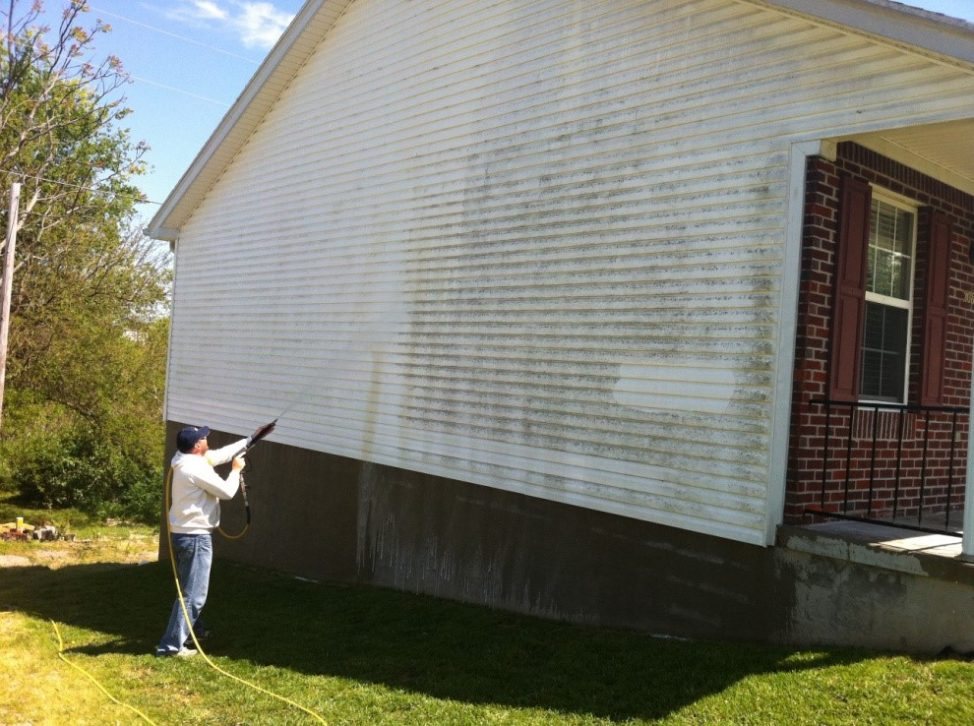
People use "pressure washing" as a catch-all, but pros actually use two very different methods, and choosing the wrong one is how homes get damaged. Here's the simple version.
Pressure washing: high pressure, hard surfaces
Pressure washing relies on the force of the water itself, often 2,000–4,000 PSI, to blast away grime. That force is perfect for durable, non-porous surfaces:
- Concrete driveways, sidewalks, and patios
- Brick and paver hardscaping
- Block walls and some metal surfaces
On those surfaces, a surface cleaner attachment gives an even, stripe-free finish fast. The key is matching pressure and tip to the material.
Soft washing: low pressure, smart chemistry
Soft washing flips the formula. Instead of force, it uses professional detergents to do the cleaning, then rinses at very low pressure, roughly the strength of a garden hose. That makes it the right choice for delicate or porous surfaces:
- Vinyl, aluminum, stucco, and fiber-cement siding
- Asphalt shingle and other roofs
- Wood and composite decks and fences
- Screens, soffits, and painted surfaces
Because the detergent kills the algae, mold, and mildew at the root, soft washing also lasts much longer than blasting growth off the surface, where it grows right back.
Why using the wrong method is risky
High pressure on the wrong surface can crack stucco, etch wood, strip paint, dent aluminum, blow granules off shingles (often voiding the roof warranty), and even force water behind siding where it causes mold. We've been called to fix plenty of well-intentioned DIY damage.
The bottom line
Hard, durable surface? Pressure washing. Anything delicate, porous, or living-growth covered? Soft washing. A good pro will choose, and dial in, the right method for every surface on your property, often using both on a single visit.